
Is Apple Cider Vinegar the Weight Loss Secret You’re Missing? A Science-Backed Guide
Quick Summary: The Science of ACV
| Benefit | Clinical Evidence |
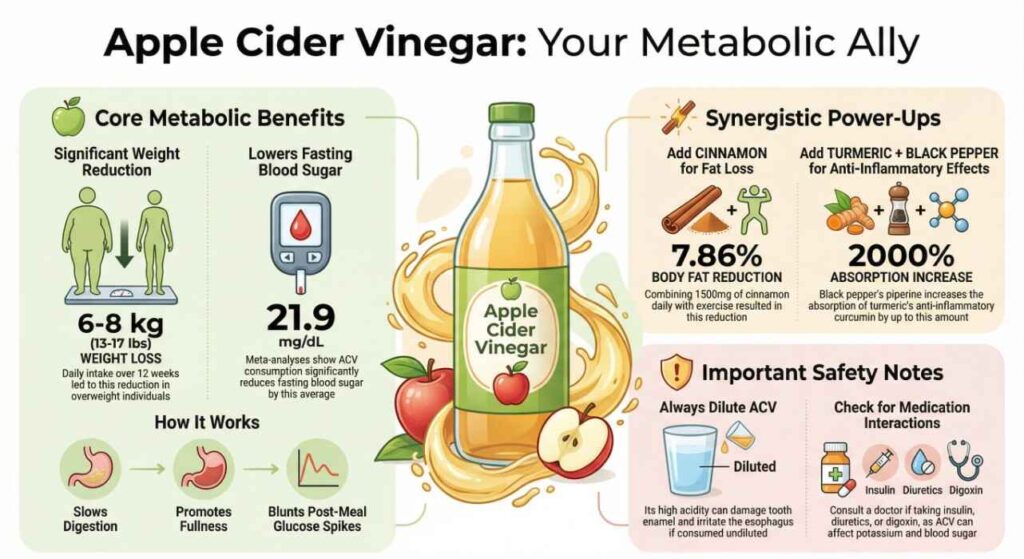
| Weight Loss | Average of 15.4 lbs (7kg) lost in 12 weeks. |
| Fat Reduction | Significant drops in BMI, waist, and hip circumference. |
| Blood Sugar | Insulin sensitivity improved by 19–34%. |
| Metabolic Health | Reductions in glucose, triglycerides, and cholesterol. |
1.0 Introduction: Beyond the Hype
In my decades of experience in health and wellness, few pantry staples have generated as much buzz—and confusion—as apple cider vinegar (ACV). From ancient remedies to modern health blogs, ACV’s popularity is undeniable. However, this acclaim often creates a cloud of hype that can be difficult to navigate.
The purpose of this guide is to cut through that noise, providing an evidence-based look at what apple cider vinegar can—and cannot—do for your weight loss and metabolic health goals. Recent scientific studies confirm that apple cider vinegar can significantly aid in weight loss by reducing body weight, BMI, and body fat. By examining the highest-quality research available, we will explore the tangible benefits of ACV and the practical steps for using it safely.
2.0 The Core Benefit: Evidence-Based Weight Management
In the pursuit of sustainable weight management, relying on scientifically validated strategies is essential for achieving lasting results. While anecdotes come and go, clinical evidence provides the stable foundation needed for a successful health plan.
2.1 Unpacking the Groundbreaking 2024 Study
A landmark 2024 study published in BMJ Nutrition, Prevention & Health provides some of the most compelling evidence to date. This research stands out for its robust methodology: a randomized, double-blind, placebo-controlled trial—the gold standard in clinical research.
Conducted on 120 overweight and obese adolescents and young adults in Lebanon, the study’s most impactful findings included:
- Significant Weight Loss: Participants taking 15 mL (about one tablespoon) of ACV daily lost an average of nearly 7 kg (15.4 lbs) over 12 weeks. The placebo group showed no significant change.
- Reduced BMI: The 15 mL group saw their Body Mass Index (BMI) fall by an average of 2.8 points (from 30.0 to 27.2).
- Fat Distribution: The study documented a significant decrease in both waist and hip circumferences, alongside a measured reduction in the body fat ratio (BFR).
- Metabolic Markers: Beyond weight, the study revealed dose-dependent decreases in fasting blood glucose, triglycerides, and total cholesterol levels.

2.2 What Broader Research Confirms
The 2024 study is not an anomaly. Systematic reviews and meta-analyses, which aggregate data from multiple trials, consistently validate these benefits. Research suggests that the effects of ACV are dose-dependent. Specifically, meta-analyses indicate that a daily intake of 30 mL (about 2 tablespoons) may produce greater reductions in BMI compared to lower doses for some individuals.
3.0 How Does It Work? The Science Behind ACV’s Power
ACV isn’t a magic potion; its benefits are rooted in physiological processes driven by its primary active component: acetic acid.
1. It Helps You Feel Fuller, Longer
The acetic acid in vinegar has been shown to slow down gastric emptying—the rate at which food leaves your stomach. By delaying this process, ACV helps suppress the hunger hormone ghrelin. This leads to increased feelings of satiety after a meal, naturally reducing overall calorie intake.
2. It Activates Your Body’s “Metabolic Master Switch”
On a cellular level, acetic acid promotes the upregulation of an enzyme called AMP-activated protein kinase (AMPK). Think of AMPK as the CEO of your body’s energy budget. When activated, AMPK issues directives to:
- Increase Revenue: By burning stored fat (fat oxidation).
- Cut Spending: By halting the creation and storage of new fat (inhibiting lipogenesis).
3. It Improves Your Body’s Response to Carbs
Consuming ACV with a high-carbohydrate meal can improve insulin sensitivity by 19-34%. Insulin is responsible for transporting sugar from your bloodstream into your cells. Better sensitivity prevents the sharp spikes and subsequent crashes that lead to powerful cravings for sweets and high-calorie foods.
4.0 Your Practical Guide: How to Use ACV Effectively
To harness these benefits, correct usage is paramount. Follow these science-backed guidelines to maximize results while minimizing risks.
4.1 Finding Your Ideal Dose and Timing
- Starting Dose: If you are new to ACV, begin with 5-10 mL (1-2 teaspoons) per day to let your digestive system adapt.
- Effective Dose: Clinical studies demonstrate the most significant results with a daily intake of 15-30 mL (1-2 tablespoons).
- Dilution is Key: ACV is highly acidic and must always be diluted in at least 8 ounces (250 mL) of water to protect your tooth enamel and esophagus.
- Timing: Taking ACV before a meal can blunt the blood sugar response. Alternatively, the 2024 Lebanese study showed success when participants consumed their dose in the morning on an empty stomach.
Expert Tip: Try diluted ACV on its own for one week to establish a baseline before adding other ingredients like cayenne or turmeric.
4.2 Creating Powerful ACV Tonics
- The Metabolism Booster: Diluted ACV + a pinch of cayenne pepper. Cayenne contains capsaicin, which can slightly increase caloric expenditure.
- The Blood Sugar Stabilizer: Diluted ACV + a sprinkle of cinnamon to further enhance insulin sensitivity.
- The Anti-Inflammatory Blend: Diluted ACV + turmeric + a pinch of black pepper. (The piperine in black pepper increases curcumin absorption by up to 2000%).
- The Digestive Soother: Diluted ACV + fresh lemon juice + grated ginger to aid gastric emptying.
5.0 Important Precautions: The “Do Nots” of ACV
Because ACV is a potent substance, it must be used with caution:
- Protect Your Enamel: Always dilute and consider using a straw to minimize contact with your teeth. Never consume it straight.
- Watch for Digestive Issues: People with gastroparesis (delayed stomach emptying) should be cautious, as ACV can slow the process further.
- Monitor Potassium Levels: Excessive, long-term use has been linked to hypokalemia (low potassium). Stick to the recommended 1-2 tablespoons.
- Medication Interactions: Consult your doctor if you take:
- Diabetes Medications: (Risk of hypoglycemia).
- Diuretics or Digoxin: (Risk of potassium depletion).
6.0 The Bottom Line
Apple cider vinegar is a modest but effective tool for weight management and improving metabolic markers. However, it is a powerful supplement to—not a replacement for—the foundational pillars of health: a nutrient-dense diet and regular physical activity. By integrating it wisely into a healthy lifestyle, you can empower your journey toward better health.
7.0 FAQ: Frequently Asked Questions
Does apple cider vinegar burn belly fat?
While you cannot “spot reduce” fat, the 2024 BMJ study showed significant reductions in waist circumference, indicating it is effective at reducing visceral fat.
What is “The Mother” in ACV?
“The Mother” consists of strands of proteins, enzymes, and friendly bacteria. Always look for “Raw, Unfiltered” ACV to ensure these beneficial components are present.
How long does it take to see results?
Most clinical studies, including the 2024 trial, track results over a 12-week period. Consistency is more important than taking a high dose.
8.0 References
Check out one of our other articles:
5-life-changing-benefits-of-creatine-supplementation
Disclaimer: The content in this playlist is for informational and educational purposes only. Fasting is a powerful biological tool. Always consult with your healthcare professional before beginning a new fasting protocol, especially if you have a pre-existing medical condition or are taking medication.